When student engagement falls in a school, where should a leadership team look for the root cause?
Most will first question the teaching and teachers in the classroom. However, 𝐬𝐲𝐬𝐭𝐞𝐦𝐬 𝐭𝐡𝐢𝐧𝐤𝐢𝐧𝐠 nudges us to think deeper.
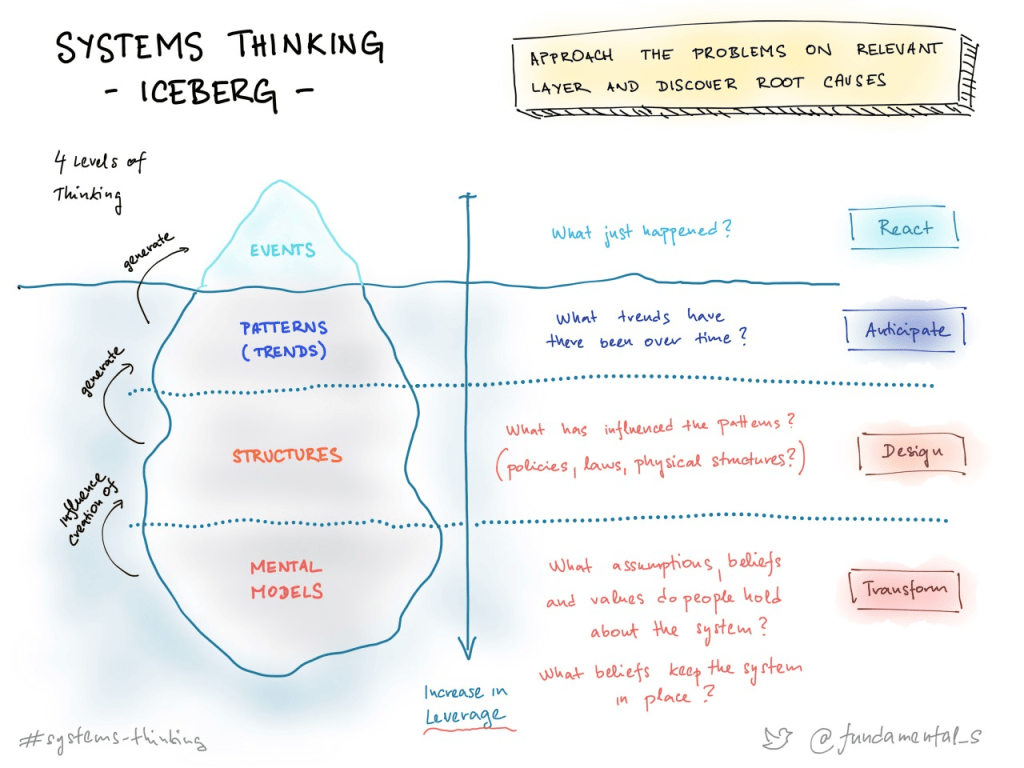
The problem may become visible in the classroom first, but it is not where it was generated. The iceberg model, a long-established tool in systems thinking developed from Peter Senge’s levels of perspective, maps the layers between what we see in a system and what produced it.
At the 𝐬𝐮𝐫𝐟𝐚𝐜𝐞 are events, and a lesson where children seem disengaged is one of them.
Beneath the surface are 𝐩𝐚𝐭𝐭𝐞𝐫𝐧𝐬, which are the same event happening repeatedly, such as engagement falling away at a certain point in every term.
Beneath the patterns are the 𝐬𝐭𝐫𝐮𝐜𝐭𝐮𝐫𝐞𝐬 that keep producing them. A timetable that doesn’t give enough time for in-depth inquiry before the next transition, or a unit planned down to its final assessment before children have asked a question about it, will produce disengagement in any classroom.
At the base are 𝐦𝐞𝐧𝐭𝐚𝐥 𝐦𝐨𝐝𝐞𝐥𝐬, meaning the assumptions a school holds about what engaged learning is and what it looks like.
Children and young people stay engaged while they believe their effort helps them make progress and while they feel they belong in the group. When either of those is in question, the signs are small at first …
It takes longer to begin a task.
Work gets handed in complete but shallow.
A student checks in more frequently to find out what comes next,
asks fewer questions of their own, and
waits to be told what a good answer looks like before committing to one.
By the time attendance is affected, the pattern has been running for a long while.
𝐈𝐟 𝐭𝐡𝐞 𝐜𝐚𝐮𝐬𝐞𝐬 𝐚𝐫𝐞 𝐛𝐞𝐥𝐨𝐰 𝐭𝐡𝐞 𝐬𝐮𝐫𝐟𝐚𝐜𝐞, 𝐰𝐡𝐞𝐫𝐞 𝐝𝐨𝐞𝐬 𝐚 𝐥𝐞𝐚𝐝𝐞𝐫𝐬𝐡𝐢𝐩 𝐭𝐞𝐚𝐦 𝐬𝐭𝐚𝐫𝐭?
𝐒𝐡𝐨𝐫𝐭𝐞𝐧 𝐭𝐡𝐞 𝐟𝐞𝐞𝐝𝐛𝐚𝐜𝐤 𝐥𝐨𝐨𝐩
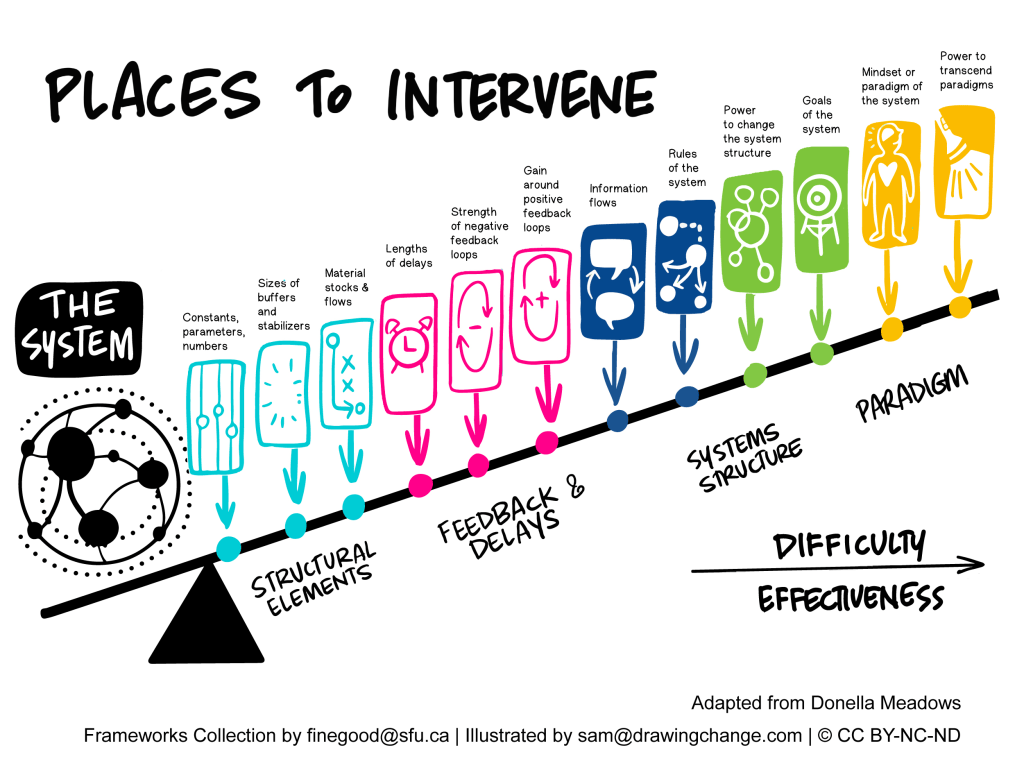
Donella Meadows ranked twelve places to intervene in a system by how much change each one produces, and the ranking is counterintuitive. Adding time, money, or staff comes near the bottom. Higher up is giving the people inside the system information they did not have before, because decisions change once people can see what those decisions are producing.
Student surveys usually run annually, so the findings are communicated to the teachers long after the students shared their feedback. A more frequent, short check-in that a teacher analyses the same week is information they can use to respond to student needs promptly.
𝐓𝐡𝐞 𝐂𝐨𝐬𝐭 𝐨𝐟 𝐐𝐮𝐢𝐜𝐤 𝐅𝐢𝐱𝐞𝐬
Senge described a pattern he called shifting the burden, where a fast solution relieves the symptoms, and the underlying cause stays unresolved. If the quick fix works, nobody inquires into what caused the problem, and the school gets a little better at managing the symptoms and no better at removing them.
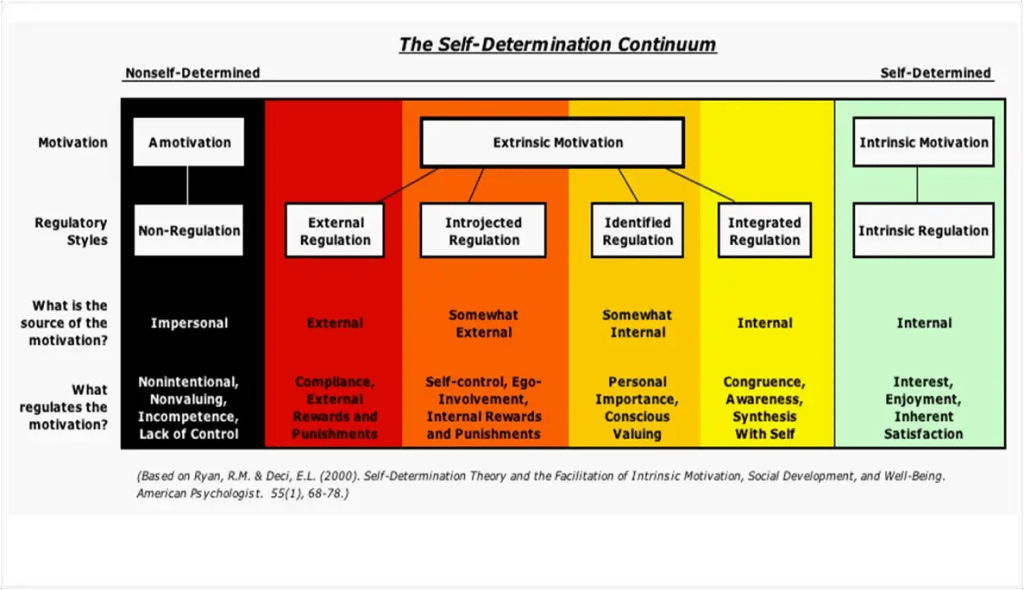
Reward systems work this way. Deci and Ryan found that extrinsic incentives reduce intrinsic motivation over time, so participation holds while the rewards continue and drops once they stop.
𝐓𝐡𝐞 𝐒𝐜𝐡𝐨𝐨𝐥’𝐬 𝐃𝐞𝐟𝐢𝐧𝐢𝐭𝐢𝐨𝐧 𝐨𝐟 𝐄𝐧𝐠𝐚𝐠𝐞𝐦𝐞𝐧𝐭
Meadows points to one intervention above all the others on her list of leverage points, which is the mindset the system arises from. She argues that every structure and every rule we design comes from a set of beliefs that was not clearly identified. A school’s definition of engagement is one of those beliefs. Even though it hasn’t been written down, it shows up in what gets noticed during a learning walk, what a leader mentions in feedback afterwards, and which classrooms get described as highly engaging. Each of those judgements applies a definition that has never been agreed upon, and a definition that has never been stated cannot be questioned.
𝐖𝐡𝐚𝐭 𝐝𝐨 𝐰𝐞 𝐤𝐧𝐨𝐰 𝐚𝐛𝐨𝐮𝐭 𝐡𝐨𝐰 𝐬𝐭𝐮𝐝𝐞𝐧𝐭𝐬 𝐞𝐱𝐩𝐞𝐫𝐢𝐞𝐧𝐜𝐞 𝐨𝐮𝐫 𝐬𝐜𝐡𝐨𝐨𝐥 𝐝𝐞𝐬𝐢𝐠𝐧?
Shadow one student for a full day. Alexis Wiggins, a teacher of many years, spent two days shadowing students and wrote about it on Grant Wiggins’s blog. What surprised her most was how passive the day felt from a student’s perspective. Follow one child from arrival to dismissal, sit where they sit, and do what they are asked to do.
For belonging, record how many adults spoke to the child by name, how many spoke to them about something other than behaviour or instructions, and whether the child had anything to contribute that the day made room for.
For self-efficacy, record how many times the child was told whether they were doing well, how they would have known without being told, how many choices they made about their own learning, and whether anything they produced that day was used for informing future plans.
The problem may become visible in the classroom first, but the root cause is usually deeper, in the school system or in our beliefs about engagement.
𝐖𝐡𝐢𝐜𝐡 𝐥𝐚𝐲𝐞𝐫 𝐨𝐟 𝐭𝐡𝐞 𝐢𝐜𝐞𝐛𝐞𝐫𝐠 𝐝𝐨 𝐨𝐭𝐡𝐞𝐫 𝐥𝐞𝐚𝐝𝐞𝐫𝐬 𝐟𝐢𝐧𝐝 𝐡𝐚𝐫𝐝𝐞𝐬𝐭 𝐭𝐨 𝐫𝐞𝐚𝐜𝐡?





Leave a Reply