Three months ago, we held our three-way conferences. Even with the passage of time, I’m still reflecting on why this remains one of my favorite points in the academic year. There is something uniquely powerful about the moment a student truly takes the wheel.
For those unfamiliar with the format, a three-way conference is a meeting where the student, parents, and teacher come together to talk about the student’s progress, strengths, and areas they want to grow in, with the student leading the conversation.
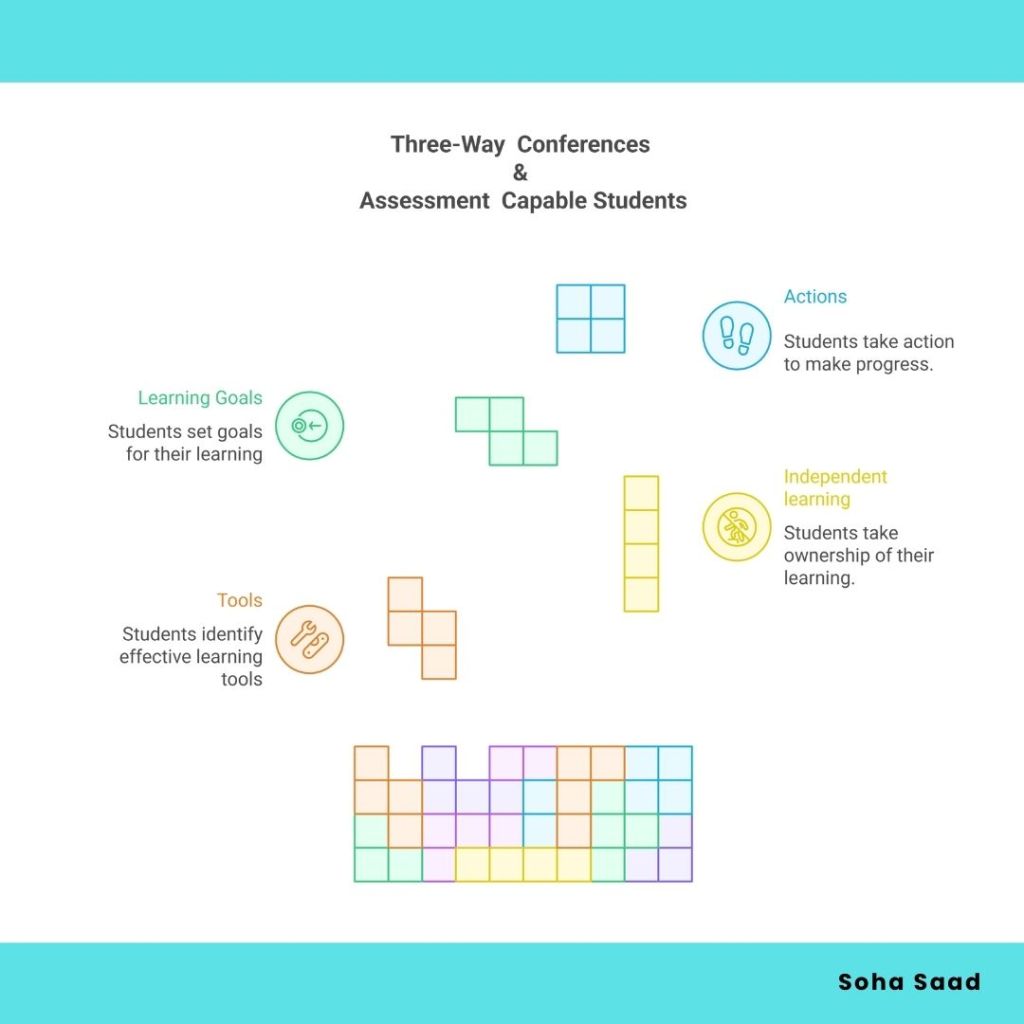
A three-way conference allows students to pause and think about their learning. They reflect on their success, learning goals, actions, and tools to help them achieve those goals.
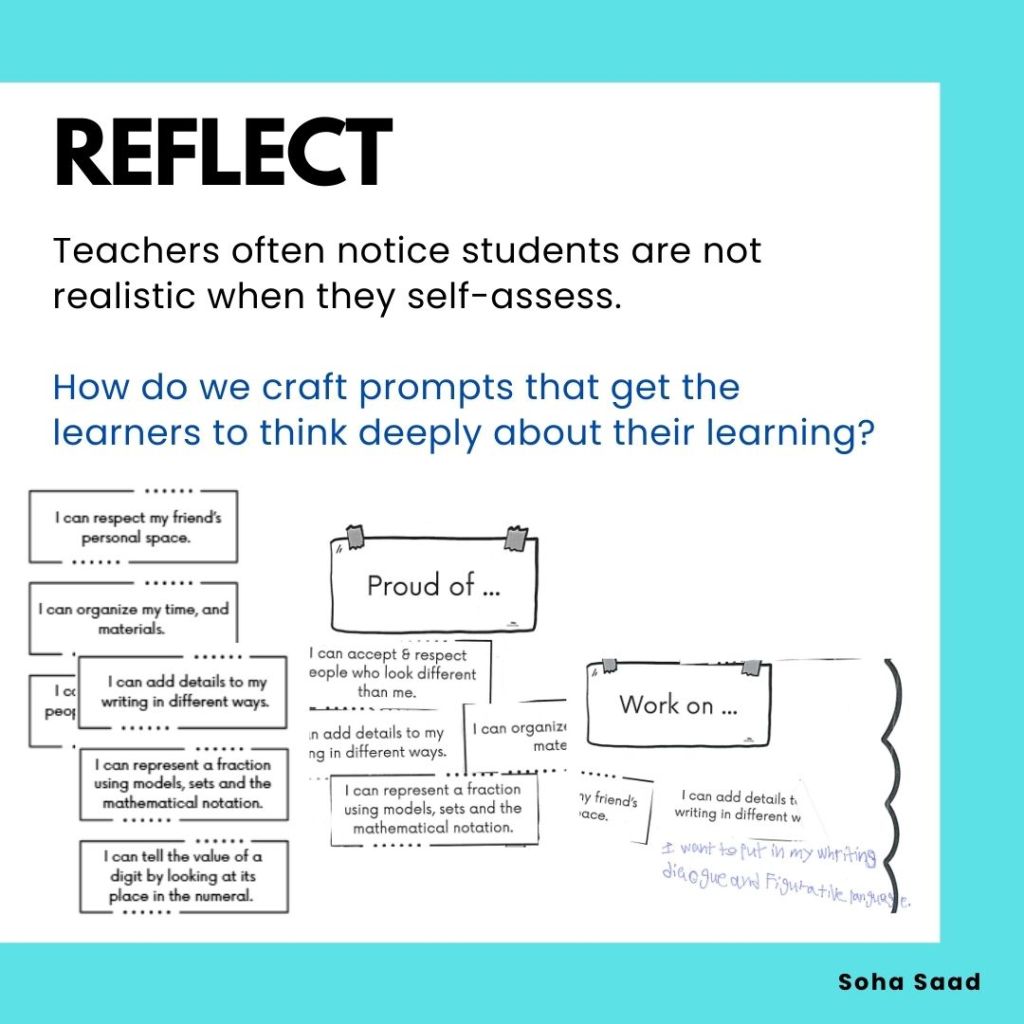
Reflect:
One way to help students reflect on their learning is by using ATL “I can” statements that connect to the skills and experiences they have been developing. They sorted the statements into two groups: what they are proud of and what they want to work on.
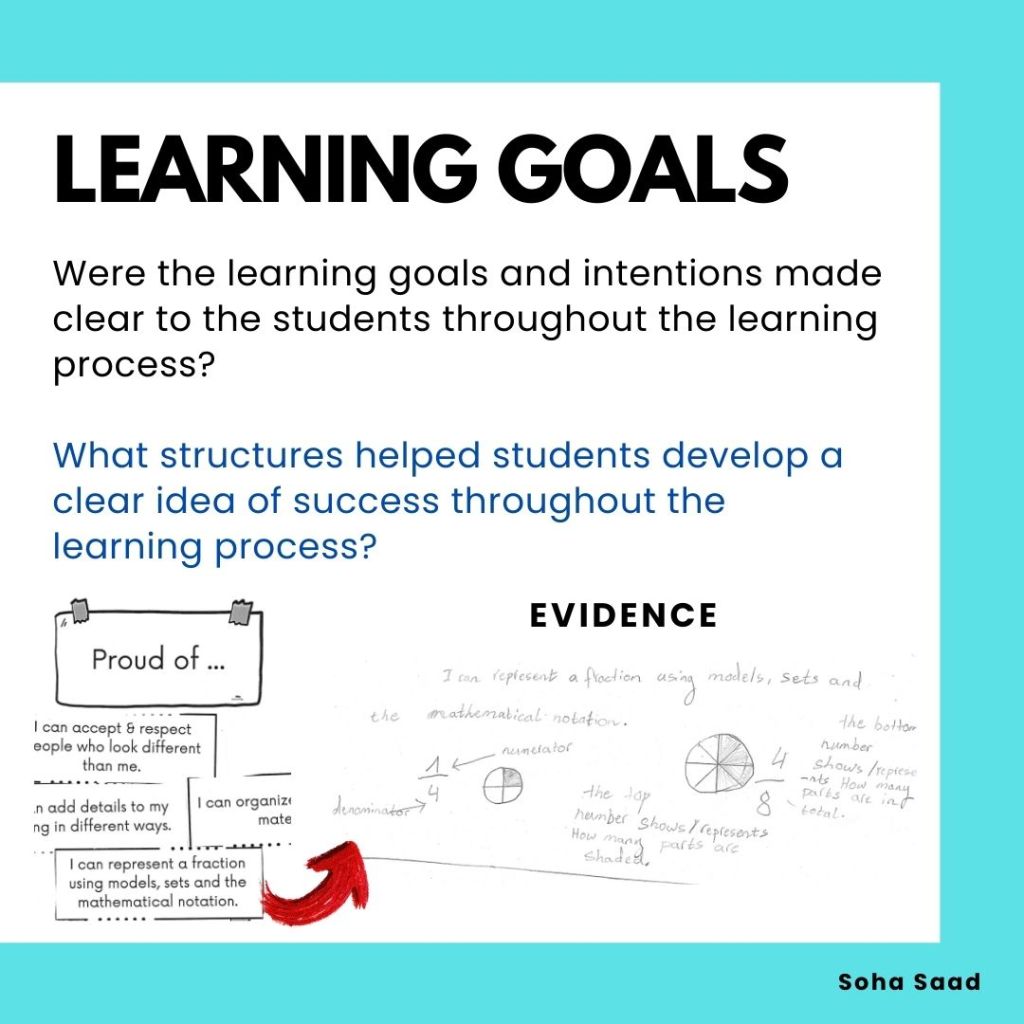
Learning Goals:
As educators, we know that students are not always realistic about their achievement, so it was important that they find or create evidence that shows they are successful at the “I can” statements they chose. It was great to see how the students realised that what they assumed was an area for development was actually a strength, and in other cases, the opposite. We didn’t have to interfere. Their own evidence made the learning visible for them.
Learning Tools and Action Plan:
After identifying their learning goals, students chose the learning tools and support that help them learn best. Every option they selected came from routines and systems we already use in class. Their choices tell us a lot about what supports actually help them learn. The students consistently value learning walls, manipulatives, feedback, and detailed task information that is clear and visible.
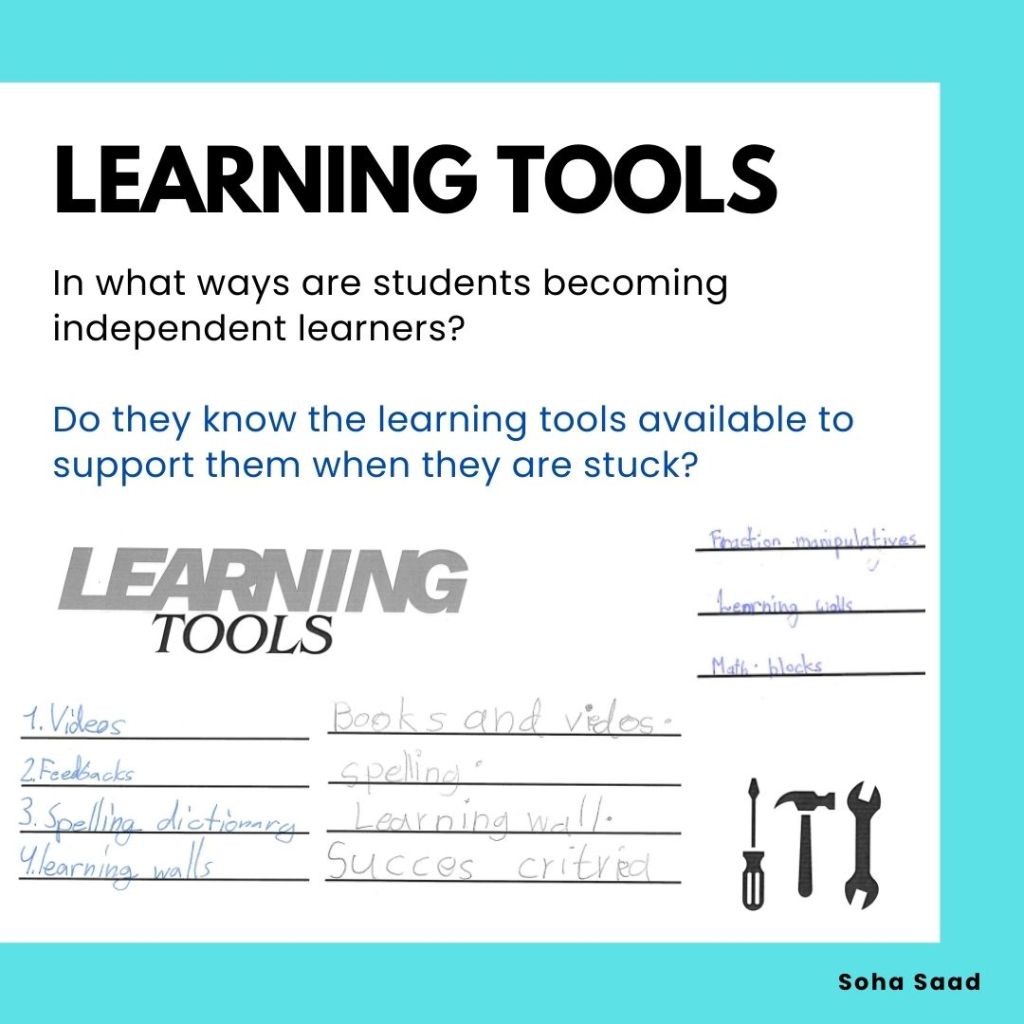
This whole process develops assessment-capable students. This kind of reflection should not be limited to the three-way conference. It needs to happen periodically so students keep building awareness of how they learn and where they are heading. They know what helps them move forward, and they can name the tool, not just the task. They can identify the type of support they need before checking with the teacher, which is the foundation of independent learning.
This approach also gives us feedback as teachers. When we notice students gravitating toward the same tools, it tells us what is actually working and worth protecting in our practice. It reminds us that independence is built through routines, clarity, and giving the students time to notice and reflect on how they learn.


 The Organized Chaos In The PYP Classroom
Leave a Reply