One of the most persistent misconceptions in concept-based teaching is that understanding will naturally emerge by the end of the unit. But learning transfer doesn’t happen on its own—it’s built.
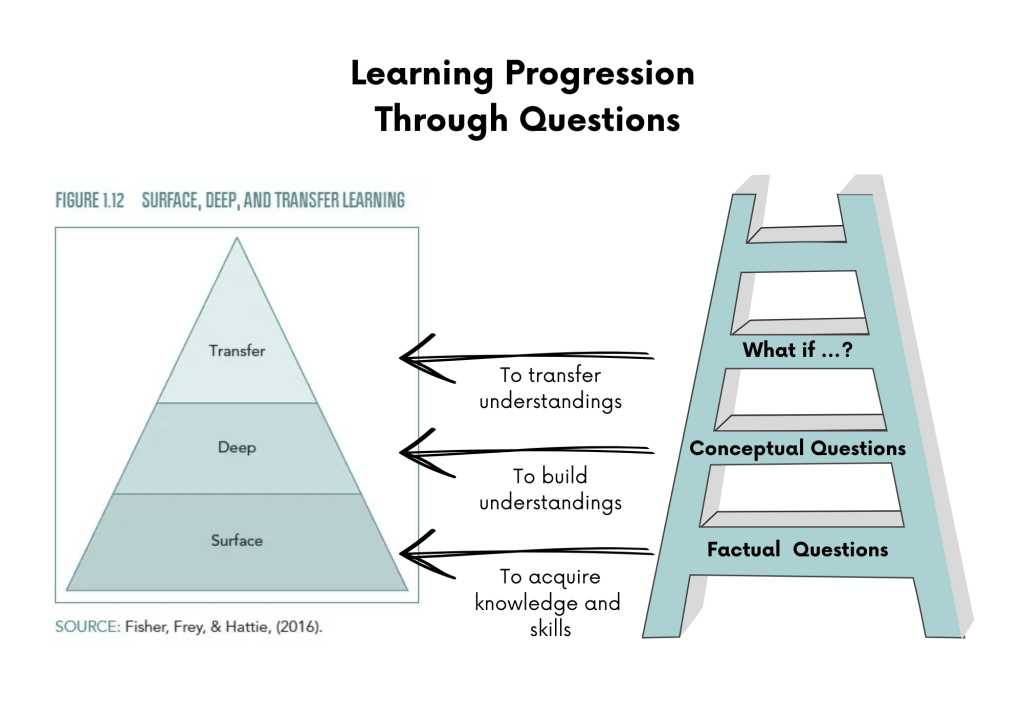
We often talk about transfer as the goal of concept-based learning. But to support it, we need to start much earlier—when we introduce concepts, explore them through examples, and scaffold students to build and express their own understandings.

In this visual, I outline a simple flow that supports conceptual transfer:
- Start with concept exploration and pattern-seeking
- Guide students to articulate conceptual understandings
- Use “What if…?” scenarios to apply understanding across contexts
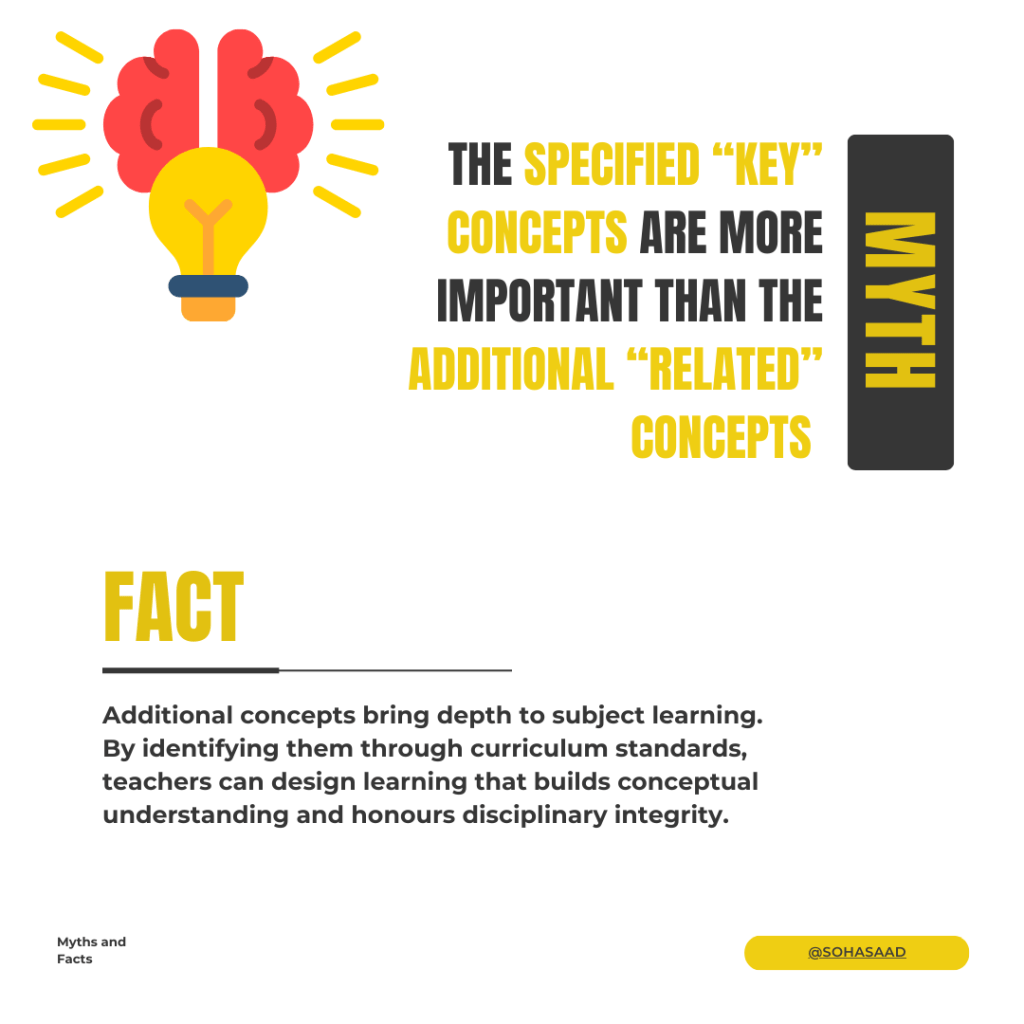
In IB planning, there’s a subtle but widespread belief that specified “key” concepts matter more than the additional subject-specific ones. But it’s the additional concepts that give learning precision, depth, and rigour. They’re what connect our learning goals to disciplinary standards.
Transfer relies on depth. And depth begins when we plan conceptually.
Looking to go deeper with this in your school? I offer coaching and workshops for teams and curriculum leaders. [Learn more here.]



 The Organized Chaos In The PYP Classroom
Leave a Reply