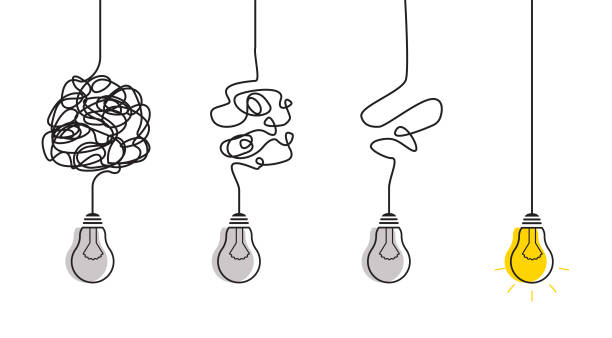
“In the beginning is chaos, the whirling, unpredictable movement of forces, vibratory oscillations that constitute the universe. Chaos here may be understood not as absolute disorder but rather as a plethora of orders, forms, wills—forces that cannot be distinguished or differentiated from each other, both matter and its conditions for being otherwise, both the actual and the virtual indistinguishably”.(Grosz 2008, 5).
When I began teaching PYP, my goal was to foster free inquiry, allowing learners the chance to play and reflect without much teacher intervention. As I set out my provocations, I struggled with letting go of my own expectations. In one memorable instance, I brought into class various parts of a tree—trunks, branches, leaves, roots, both real and crafted from cardboard. As the children explored and conversed, they decided to assemble these parts to create a tree.
That was the greatest AHA moment I had as a PYP teacher, only then I realized that I should NOT have very specific expectations in mind, that they are capable of doing and learning on their own. Whatever ideas and thoughts they have and can express make more sense to them than a teacher’s predetermined expectations.
Embracing the organized chaos theory became a cornerstone of my teaching approach. Observing the transformation in my students—watching them become independent, confident thinkers and risk-takers—has been incredibly rewarding. This flexible approach promotes differentiation, enabling every student to learn at their own pace and style. It encourages skill development, fosters a strong work ethic, and facilitates deeper understanding.
Emma Pcochrane eloquently captures this sentiment: “I love the idea of some organized chaos. I love the idea of setting up a system where students have some autonomy. I love the idea of the vibe I got in this classroom. People were paying attention, but also having fun. People were learning, experimenting, and collaborating with their peers. People were talking to each other and showing mutual respect amongst everyone.”
Learning is Non-Linear, Organized Chaos https://onlineacademiccommunity.uvic.ca/emmapcochrane/2015/09/26/organized-chaos/
The journey through ‘organized chaos’ is one of growth, experimentation, and, most importantly, trust in the capabilities and potential of our learners.

 The Organized Chaos In The PYP Classroom
Leave a Reply